Safety First: Best Practices for Excavation and Trucking Services Jan 30, 2026
The foundation of effective safety measures begins with a well-crafted site assessment. Before any digging begins, it's crucial to understand the lay of the land. This involves mapping out utilities, noting potential hazards, and understanding soil conditions. By thoroughly assessing the job site, our teams can anticipate issues and plan accordingly, reducing the risk of accidents.
Site assessment dovetails into the creation of a comprehensive safety plan. This plan should include emergency procedures, clearly defined roles for each team member, and communication protocols. Every employee should be trained in using equipment, recognizing potential hazards, and responding to emergencies. Regular safety drills can also reinforce responses, making sure all team members are prepared to act swiftly in case of an emergency.
Another cornerstone of safety in excavation and trucking is the use of proper personal protective equipment (PPE). Hard hats, steel-toed boots, high-visibility vests, and gloves are non-negotiable. Equipment should be inspected regularly for wear and tear to ensure it offers full protection. Respiratory protection might also be necessary in some environments to guard against inhaling dust or chemicals.
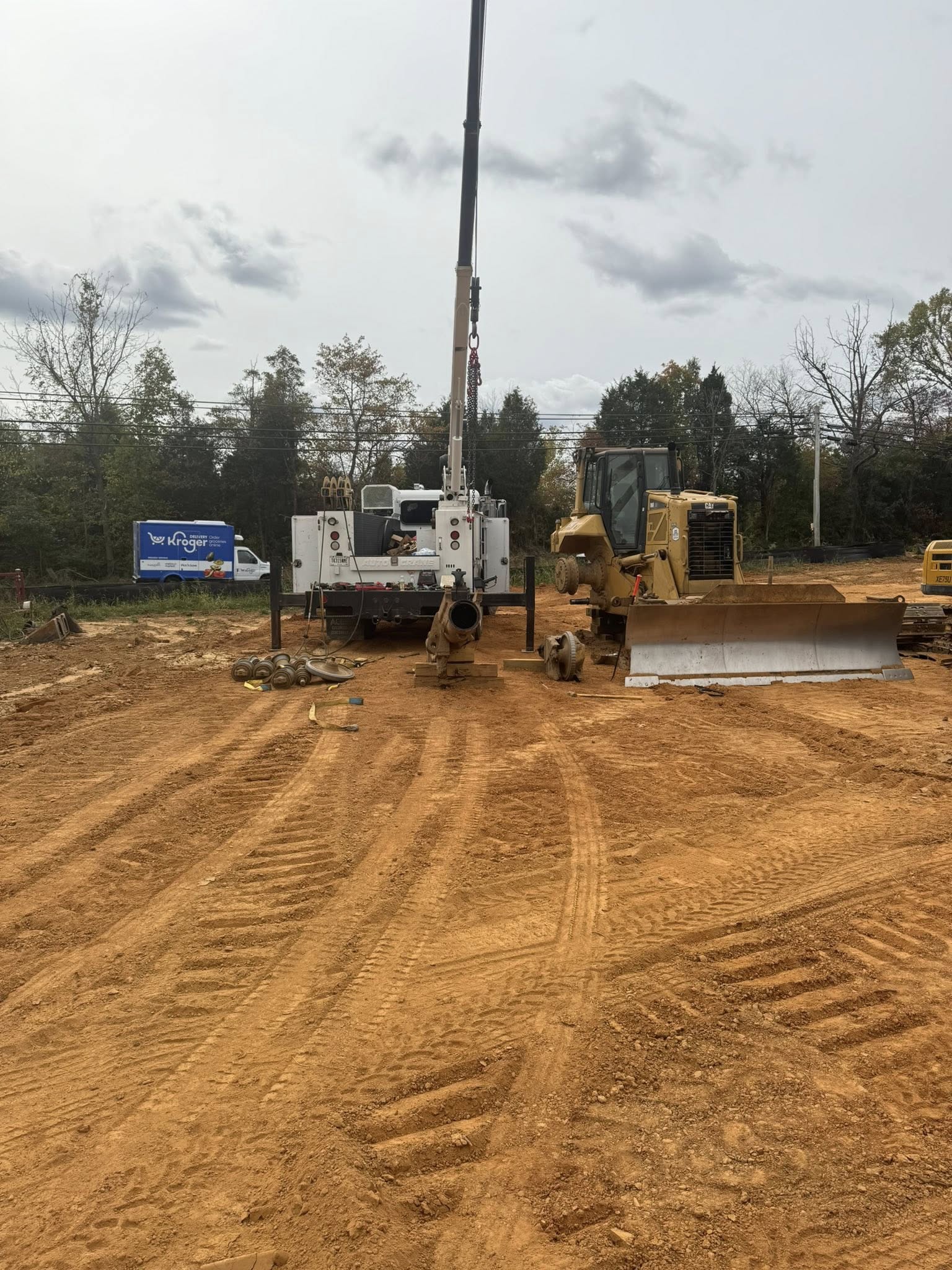
Safe operation of heavy machinery is another critical aspect of excavation safety. All operators should be fully trained and aware of the machinery's capabilities and limits. This includes understanding the machine's load capacities and stability. Improper use of machinery can lead to severe accidents, so workers must never skip pre-operation checks and routine maintenance. Keeping equipment in peak condition not only enhances safety but also the efficiency of job performance.
It's also important to acknowledge the impact of weather on safety protocols. Weather conditions such as rain, wind, or extreme temperatures can significantly affect job site safety. Wet and slippery surfaces pose fall risks, while high winds can topple equipment or scatter loose materials. Monitoring weather conditions throughout the project duration allows teams to schedule work accordingly and ensure that safety measures are adapted to current conditions.
Trucking operations require their own set of safety guidelines. Ensuring that all loads are appropriately secured is essential to prevent spills or accidents during transit. Drivers must be alert and not overtired. Implementing a rigid schedule for breaks and rotations helps maintain driver vigilance, thereby reducing the chances of road accidents.
Creating a culture of safety at Danny Rhodes Trucking & Excavation is integral to the success of every project. By embedding safety into our daily operations, we protect our employees and clients, ensuring that every project is completed without incident. We advocate for continued education on safety practices across the industry, as informed workers are our best defense against accidents.
In conclusion, by prioritizing safety through meticulous planning, proper use of protective gear, adept handling of equipment, and mindful responses to environmental conditions, excavation and trucking projects can proceed smoothly and productively. Safety should not just be a priority but an intrinsic part of the company culture, ensuring ongoing success for Danny Rhodes Trucking & Excavation and the clients we serve.
/filters:no_upscale()/filters:format(webp)/media/a6472997-8392-4c24-87da-42fbcdb7a694.jpeg)
/filters:no_upscale()/filters:format(webp)/media/4ef80e93-595e-4826-b3c2-ba99ab0ac7cd.jpeg)